


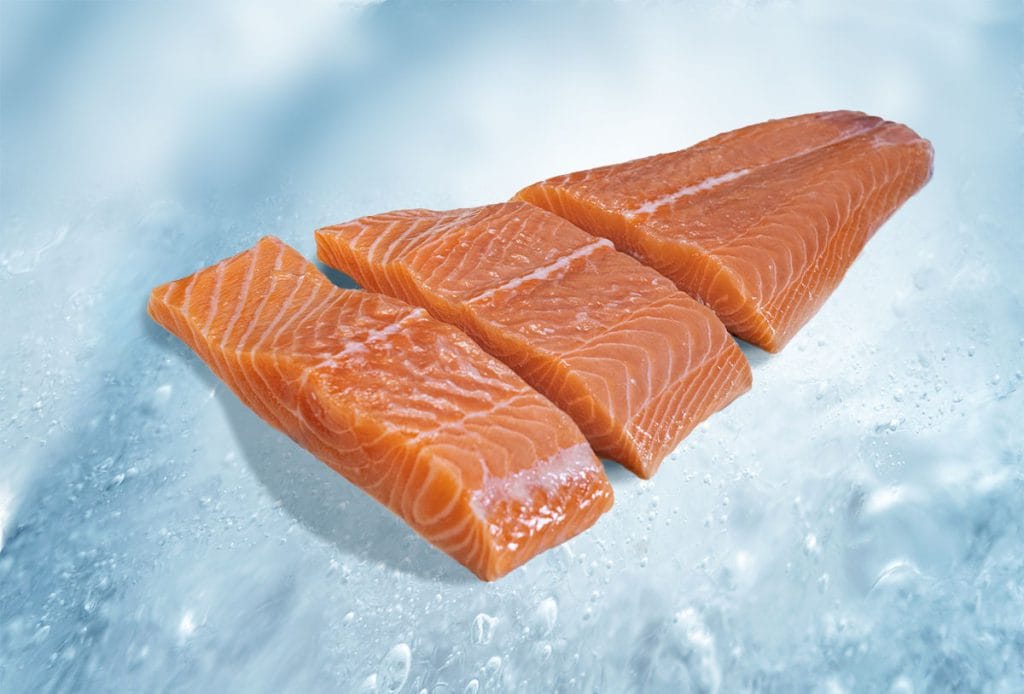
Raw or smoked salmon – is it healthy?
Salmon is an oily fish that provides protein and omega-3 fatty acids. Smoked salmon delivers those nutrients too, but it can be relatively high in salt. With raw salmon and ready-to-eat smoked salmon, food safety also matters, especially for pregnant women, young children, older people and people with reduced immunity. This page explains what to look out for.
Is smoked salmon healthy?
Smoked salmon contains valuable nutrients such as protein and unsaturated fats. At the same time, smoked salmon can be relatively high in salt. Whether a product fits within a healthy eating pattern depends partly on its salt content, so always check the nutrition table on the packaging.
Whether smoked salmon fits healthily into your diet therefore depends on the composition, the portion and what else you eat. Salmon is an oily fish and contains the fish fatty acids EPA and DHA. Read the dietary advice on fish and omega-3 fatty acids from the Netherlands Nutrition Centre (Voedingscentrum).
Is raw salmon healthy and safe?
Raw salmon can provide protein and unsaturated fats, but it has not been heated. That is why eating raw salmon calls for extra attention to food safety.
Raw fish and ready-to-eat smoked fish can contain pathogens, including Listeria or Salmonella. You cannot reliably see, smell or taste them. Good refrigeration, hygiene and correct processing reduce risks, but do not rule out contamination completely. Store raw fish well sealed in the refrigerator, follow the storage instructions and keep raw products separate from food that is eaten straight away. The Netherlands Nutrition Centre explains more in its advice on eating fish safely (in Dutch).
| Type of salmon | Preparation | Key point of attention |
|---|---|---|
| Raw salmon | Not heated | Can contain pathogens; good refrigeration and hygiene remain necessary. |
| Cold-smoked salmon | Smoked at low temperature | Is not heated and can be relatively high in salt. |
| Hot-smoked salmon | Smoked at higher temperature | Processing, packaging, storage and possible contamination after heating remain important. |
How much salt is in smoked salmon?
According to the nutritional database of the Netherlands Nutrition Centre, an average 25-gram portion of smoked salmon contains about 0.62 grams of salt. The exact amount differs per product, so always check the label.
Converted, 0.62 grams per 25 grams is on average about 2.48 grams of salt per 100 grams, but an individual product may differ. See the current average salt content of smoked salmon according to the Netherlands Nutrition Centre (in Dutch).
What is the difference between cold-smoked and hot-smoked salmon?
In cold smoking the temperature stays low and the salmon keeps a soft texture. In hot smoking the temperature is higher and the texture moves closer to cooked fish. With both methods, brining, smoking time and temperature all influence the end product.
Cold-smoked salmon is not heated. Hot-smoked salmon is not automatically risk-free either: safety also depends on processing, packaging, storage and any contamination after heating. For pregnant women, the Netherlands Nutrition Centre advises heating hot-smoked salmon thoroughly before eating it; see the advice on hot-smoked salmon during pregnancy (in Dutch).
Who should be careful with raw and smoked salmon?
Pregnant women, young children, older people and people with reduced immunity are advised not to eat raw fish or ready-to-eat smoked fish as it is. When these products are heated thoroughly, pathogens are killed. During pregnancy, always follow the current advice of your own national health authority.
Pregnant women
Raw fish and chilled ready-to-eat smoked fish can contain Listeria, among other pathogens. The Netherlands Nutrition Centre advises pregnant women to eat these products only when they have been heated thoroughly. See the current advice on raw fish during pregnancy (in Dutch).
Older people and people with reduced immunity
These groups are more susceptible to foodborne infections. Pre-packed smoked fish that has been refrigerated for a long time deserves particular attention because of Listeria. Read the Nutrition Centre advice for vulnerable groups (in Dutch).
Young children
Young children are also part of the vulnerable groups. Only give them raw or ready-to-eat smoked salmon when the fish has been heated thoroughly, and pay extra attention to hygiene and storage.
Which nutrients does salmon contain?
Salmon provides protein, unsaturated fats and omega-3 fatty acids, among other nutrients. The nutritional value differs per salmon species, product, preparation and portion size.
According to the nutritional database of the Netherlands Nutrition Centre, an average 25-gram portion of smoked salmon contains 47 kcal, 2.7 grams of fat, 0.6 grams of saturated fat, 0.2 grams of carbohydrates, 0 grams of sugars, 0 grams of fibre, 5.4 grams of protein and 0.62 grams of salt. These are average values; for a specific product always check the label. See the nutritional value of smoked salmon at the Netherlands Nutrition Centre (in Dutch).
Because of environmental pollution, fish can contain harmful substances, including certain heavy metals, dioxins, PCBs and PFAS. The amount differs per fish species and origin. A varied diet and following current dietary advice help limit exposure. Read more about heavy metals in food, dioxins in foodstuffs and PFAS in food (in Dutch).
More background on species, origin and characteristics can be found on everything about salmon.
Frequently asked questions
Is smoked salmon healthy?
Smoked salmon contains protein and unsaturated fats, among other nutrients, but it can be relatively high in salt. Check the nutrition table and combine smoked salmon with a varied diet.
Is raw salmon healthy?
Raw salmon can contain valuable nutrients, but because the fish has not been heated there is also a food safety risk. Vulnerable groups in particular are advised not to eat raw fish.
Can you eat smoked salmon when you are pregnant?
The Netherlands Nutrition Centre advises pregnant women to eat chilled ready-to-eat smoked fish only when it has been heated thoroughly. Always check the current guidelines.
How much salt is in smoked salmon?
According to the Netherlands Nutrition Centre, an average 25-gram portion of smoked salmon contains about 0.62 grams of salt. The amount differs per product, so check the label.
What is the difference between cold-smoked and hot-smoked salmon?
In cold smoking the temperature stays low; in hot smoking the salmon is smoked at a higher temperature. That creates differences in texture, taste and preparation. For food safety, correct processing and storage remain important.
Salmon for professional buyers
Neerlandia Urk focuses on professional salmon supply. See Atlantic salmon for professional buyers for product forms and processing options.