

Fresh & Frozen Fish Fillets
Neerlandia Urk processes fish fillets for importers, distributors, retail and foodservice. Compare salmon, cod, flatfish and halibut fillets, then discuss species, skin, size grading and packaging with our sales team in the Netherlands.
- Processed in Urk, NL
- Fresh & IQF fillets
- Skin-on or skinless
Explore our fish fillets
Each card shows a fillet that is part of the Neerlandia range, with formats confirmed on the matching product page. Open the specifications for size grading, trims and packaging per species.
Atlantic salmon fillets
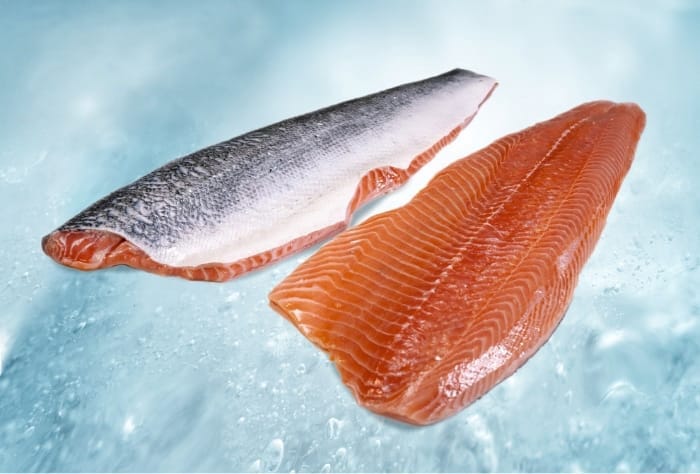
Farmed Atlantic salmon (Salmo salar), mainly from Norway and the Faroe Islands, filleted and trimmed in Urk. Fillets are specified by trim, from B through F, to match retail, foodservice or further processing.

Sockeye salmon fillets
Wild Pacific sockeye salmon (Oncorhynchus nerka), primarily from Alaska, known for its deep red color. The fish is thawed under controlled conditions and filleted in Urk.

Cod fillets
Atlantic cod (Gadus morhua) from the Northeast Atlantic (FAO 27). A lean white fish fillet supplied in various weights for wholesale, retail and foodservice programs.

Plaice fillets
North Sea plaice (Pleuronectes platessa), caught with twin-rig gear. Supplied as single or double fillets, and also available breaded or pre-fried for retail and foodservice.

Sole fillets
Common sole (Solea solea), mainly caught in the North Sea and processed quickly in Urk. Fillets come in various weights, as single or double fillets, for premium foodservice and retail.

Greenland halibut fillets
Greenland halibut (Reinhardtius hippoglossoides) with origin Canada. Fillets are graded by weight from 200 g up to 1,700 g, which makes portion planning straightforward for buyers.
The formats shown describe the product range, not live stock. Availability is confirmed for each request.
Fresh or frozen: choose your format
Fresh fillets are chilled and suit buyers who sell or use the product within a short window. Frozen fillets give more room for inventory planning, longer supply chains and processing on your own schedule. Neither format is automatically better; the right choice depends on your channel and handling.
| Fresh (chilled) | Frozen | |
|---|---|---|
| Best fit | Short-cycle retail, fresh counters and kitchens | Stock planning, distribution and further processing |
| Common formats | Fillets with or without skin | IQF fillets, often individually vacuum packed |
| Planning | Short handling window | More flexibility in timing |
Two terms are often confused. IQF means individually quick frozen: each fillet is frozen separately instead of in one block. IVP means individually vacuum packed: each fillet is sealed in its own pouch. IQF describes freezing and IVP describes packaging, so a fillet can be both. Formats differ per species, so always confirm them in the product specification.
Specifications for your business
A clear written specification avoids surprises at delivery. These are the points buyers usually agree on before a first order. Metric values are leading; imperial figures are approximate conversions for U.S. buyers.
| Specification | What to agree |
|---|---|
| Species | Common and scientific name, e.g. Atlantic cod (Gadus morhua) |
| Format | Fresh or frozen; fillet, loin or portion |
| Skin | Skin-on or skinless |
| Bones | Pin-bone specification; a fillet is not automatically 100% boneless |
| Size grading | Weight band, e.g. Greenland halibut 200–400 g (approx. 7–14 oz) up to 1,000–1,700 g (approx. 2.2–3.7 lb) |
| Packaging | Bulk carton, IVP, bag or tray, and net weight per carton |
| Origin and method | Catch area or farming origin, as stated per product |
| Glazing | For frozen product: glaze percentage and net fish weight |
| Certification | Only where it applies to the specific product and batch |
The word “fillet” describes how the fish is cut, not a boneless guarantee. Pin-bone removal is part of the specification and is confirmed per product.
Packaging for wholesale and retail
Packaging differs per product. For flatfish such as plaice and sole, the product pages list bulk cardboard boxes of 5–10 kg (approx. 11–22 lb), polystyrene boxes and individually vacuum-packed options. Bulk cartons suit distributors and processors who repack or process further. IVP fillets are practical for foodservice, because each piece stays sealed until use. Bags, trays and boxes are used for retail programs.
Compare all formats on the packaging overview, including individual vacuum packing, boxes and trays.

Processing, quality and traceability
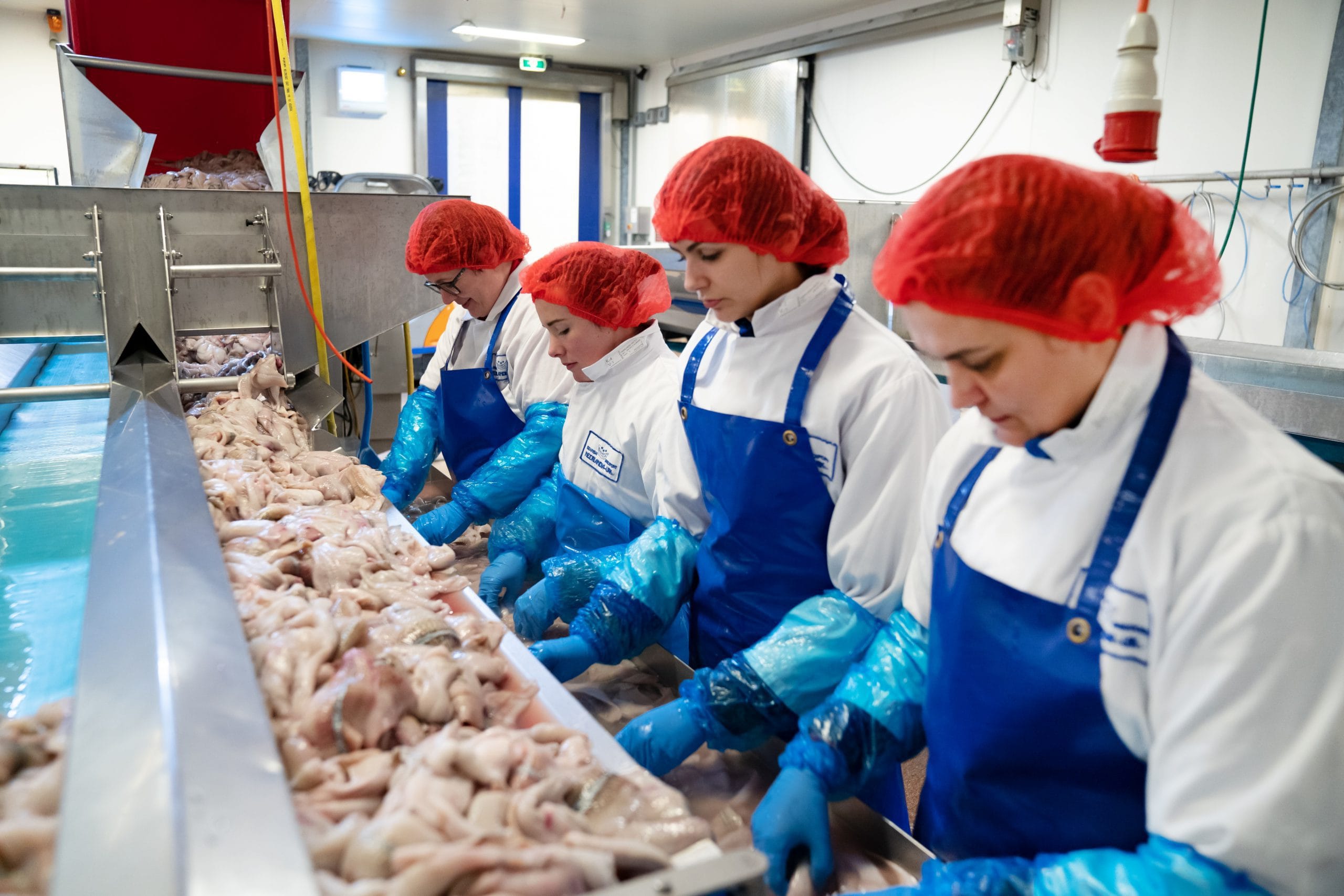
Neerlandia is a fish processor in Urk, the Netherlands, supplying business customers within and outside Europe. In its production facility, fish is filleted, skinned and cut to size for both fresh and frozen products. The company works according to HACCP and holds certifications including IFS Food, MSC, ASC, BIO and GLOBAL G.A.P. Company certification is not the same as product certification: whether an MSC or ASC claim applies is confirmed per product and order.
Sourcing
Species and origin are matched to the requested product.
Processing
Filleting, skinning and trimming in Urk.
Quality checks
Product is checked against the agreed specification.
Packing
Packed in the agreed format and prepared for export.
Read more about fish processing at Neerlandia and our sustainability and certifications.
Discuss supply to the United States
Neerlandia supplies from the Netherlands and works with business buyers only. The minimum order is 500 kg (approx. 1,102 lb) per order. To assess a U.S. supply request, the sales team needs:
- Fish species and specification
- Order volume and expected frequency
- Delivery destination (city or port)
- Packaging preference
- Preferred delivery period
- Business email address
Availability, transport, documentation and terms are confirmed per request. Prices are not published and are quoted on request.
Fish fillets: buyer questions
What are fish fillets?
A fish fillet is a side of fish cut lengthwise away from the backbone. Fillets can be sold with or without skin, fresh or frozen, and are often graded by weight. Round fish such as cod give two fillets; flatfish such as plaice and sole can be cut as single or double fillets.
Are fish fillets always boneless?
No. Filleting removes the backbone, but small pin bones can remain unless pin-bone removal is part of the specification. For wholesale supply, the pin-bone requirement should be stated in writing and confirmed per product, because tolerances differ by species and processing method.
What is the difference between IQF and IVP?
IQF means individually quick frozen: each fillet is frozen separately, so pieces do not stick together. IVP means individually vacuum packed: each fillet is sealed in its own pouch. IQF is a freezing method and IVP a packaging method, so one product can be both.
Which fish species are commonly sold as fillets?
Salmon, cod, haddock, plaice, sole, halibut and whiting are among the most common fillet species in wholesale. Salmon and cod lead in volume, while flatfish such as plaice and sole are popular in European retail and foodservice. Availability per species depends on season, origin and specification.
What is the minimum order quantity for wholesale fish fillets?
For this range the minimum order is 500 kg (approx. 1,102 lb) per order. Whether a combination of species or pack sizes can make up that volume is confirmed per request. Supply is for business buyers only, not consumers.
Which packaging options are available for fish fillets?
Common options are bulk cartons, polystyrene boxes, individually vacuum-packed fillets, bags and trays. Bulk suits processors and distributors, IVP suits foodservice and bags or trays suit retail. Which formats are possible differs per product and is confirmed in the specification.
What information is needed for a US supply quotation?
Share the species and specification, order volume and frequency, delivery destination, packaging preference and preferred delivery period. With these details a supplier can check availability, transport and documentation. A business email address helps to send the specification and quotation in writing.
Request your fish fillet quote
Send the species, specification, volume and destination. We use your request to discuss specifications and options, and reply with availability and a quotation for your business.
Prefer email? Write to andre@neerlandia.com.


