


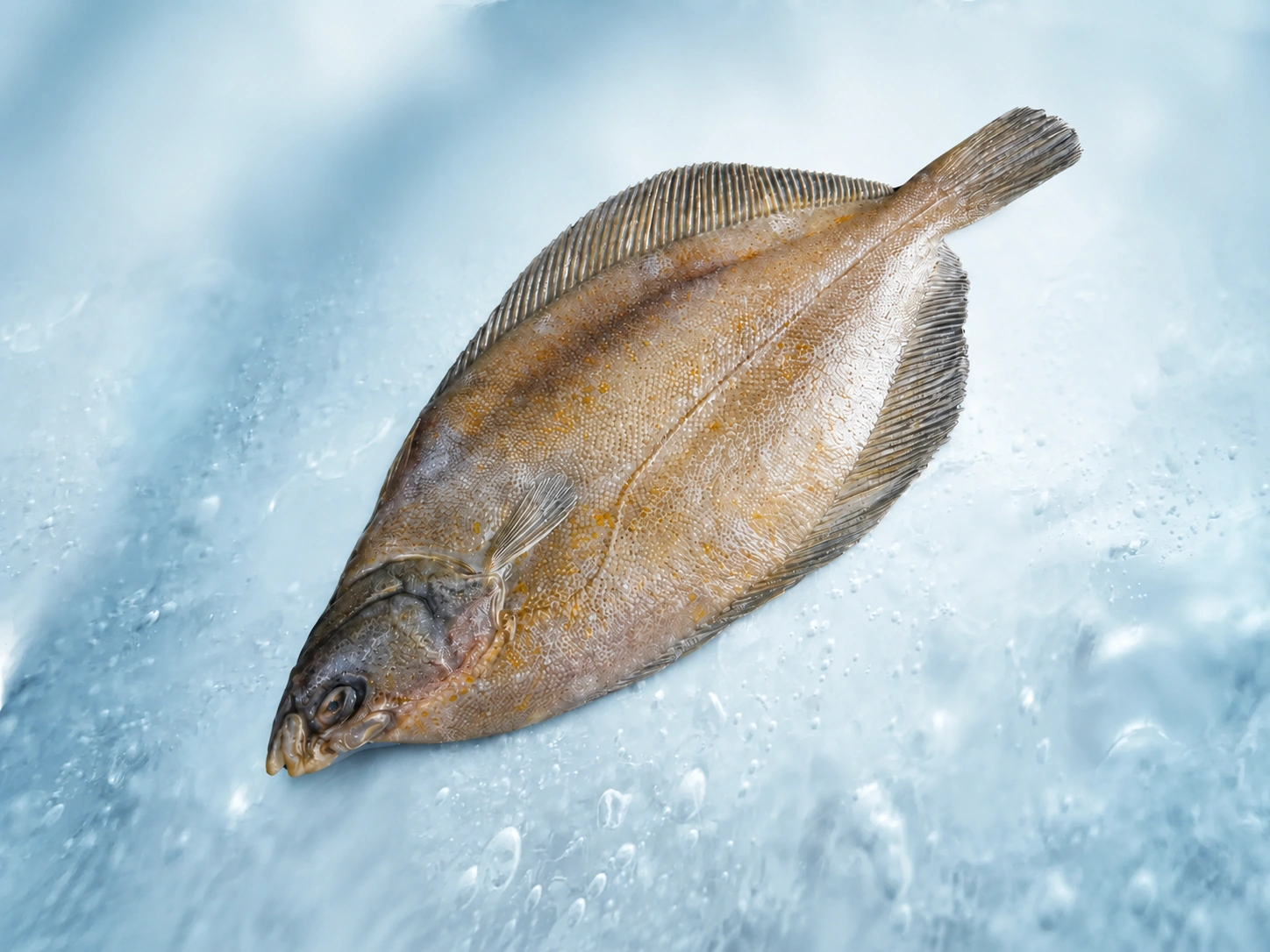
Want to buy yellowfin sole fillets?
Neerlandia Urk is one of the largest processors of yellowfin sole. We handle imports and exports both within and outside Europe. If you’d like to purchase yellowfin sole (Limanda aspera), look no further than the experienced fishermen and fish processors at Neerlandia Urk.
✅A responsible choice: processed in a sustainable and transparent manner.
✅Fast delivery, packaged frozen and/or fresh.
✅Real-time processing updates
✅In-house management from procurement to the final product.
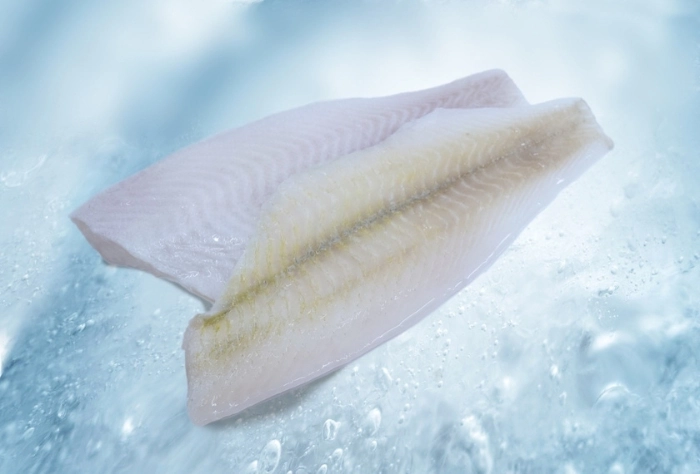
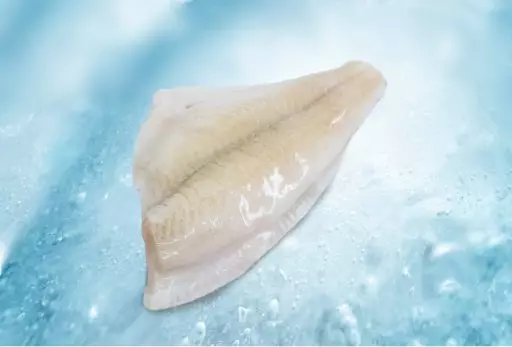
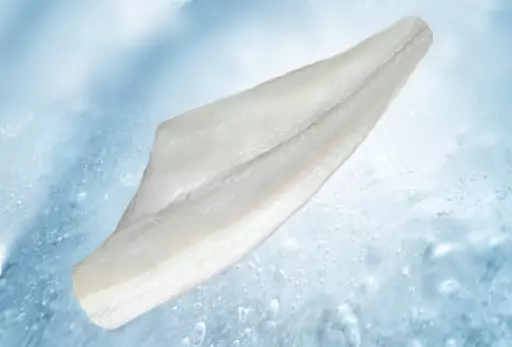
Yellowfin Sole Options & Embalaje
Yellowfin sole, also known as yellow flounder, is an economically attractive and widely available flatfish from the cold waters of the North Pacific (primarily FAO 67—the Bering Sea and the Gulf of Alaska). This fish is known for its light, tender flesh and neutral flavor, making it ideal for industrial processing, the hospitality industry, and large-scale foodservice. Yellowfin sole is also used in the production of ready-to-eat meals and animal feed
At Neerlandia Urk, we supply yellowfin sole in a variety of processing forms and specifications, always with a focus on quality, sustainability, and logistical efficiency.
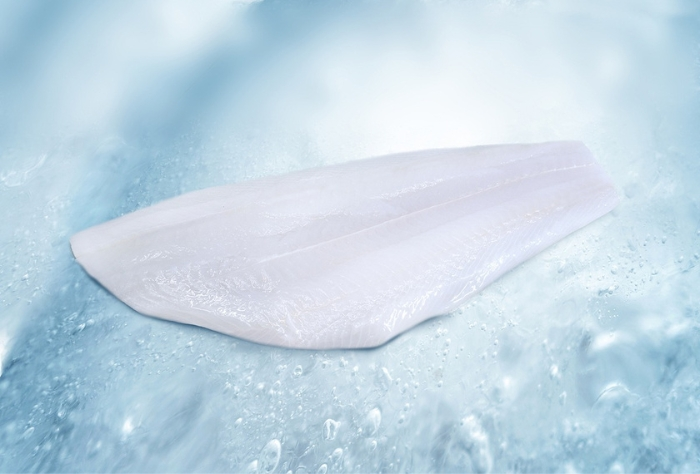
Fillet (with or without skin)
– In various weights
– Single or double
– Individually quick-frozen and fresh
– Breaded and/or pre-fried
– Re-fresh fillet
Fillet
– Bulk 5-10 kg cardboard box
– Retail bag 500-1000 grams
– Retail boxes 250-500 g
Look here for more information about our packaging

Processing Yellowfin Sole into premium frozen and fresh products
At Neerlandia, yellowfin sole is processed into various product forms, such as whole fish and fillets, both fresh and frozen. Processing is carried out with great care to preserve the delicate texture and flavor. Thanks to the product’s versatility, yellowfin sole is popular in the foodservice and retail sectors and is suitable for various cooking methods, such as pan-frying, poaching, and grilling. Embalaje is tailored to the customer’s preferences and ensures optimal shelf life.
Import of Yellowfin Sole into the Netherlands
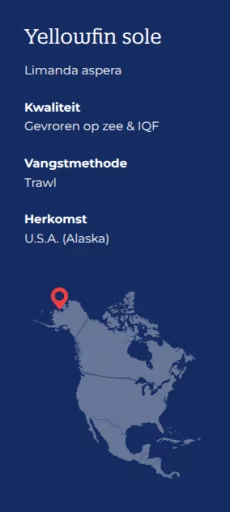
Neerlandia imports yellowfin sole primarily from the northern Pacific Ocean, particularly around Alaska and Canada. This fish is carefully selected from reliable suppliers and fish markets, with a focus on freshness and quality. Thanks to modern refrigeration and transportation methods, the yellowfin sole arrives quickly and in optimal condition, which is important for preserving its tender texture and mild flavor.
Export of Yellowfin Sole and fillets to wholesalers within and outside Europe
Exports of yellowfin sole are primarily focused on European markets where there is demand for high-quality, sustainably sourced flatfish. Neerlandia supplies the fish to wholesalers, fishmongers, and foodservice wholesalers, both fresh and frozen. Thanks to efficient logistics and fast delivery, quality is guaranteed, contributing to the growing popularity of yellowfin sole in various cuisines across Europe.
Other customers also looked at this:
Frequently Asked Questions
Yellowfin sole (Limanda aspera) is a flatfish belonging to the family Pleuronectidae.
- The name “yellowfin” refers to the yellow edge on its fins.
- The fish lives in the cold waters of the northern Pacific Ocean, primarily in the Bering Sea, around Alaska and eastern Russia.
Yellowfin sole has:
- It is low in fat, giving it a neutral flavor that pairs well with subtle spices or sauces.
- A mild, delicate flavor, similar to that of plaice or flounder.
- A delicate, tender texture, less firm than sole or turbot.
Per 100 grams of raw yellowfin sole:
- 80–100 kcal
- 18–20 g protein
- 1–2 g fat (fairly lean)
- Low in saturated fats
- Contains vitamin B12, phosphorus, selenium, and omega-3 fatty acids
Yellowfin sole can be prepared in many ways:
- Sauté in butter with lemon and parsley
- Breading and deep-frying (such as fish and chips)
- Steaming with Asian flavors such as soy sauce and ginger
- Poach in fish stock or white wine
- Oven-baked in papillotte (parcel)
Please note: The meat is fairly thin, so the cooking time is short (3–5 minutes per side when pan-frying).
Yes, usually. The population in the Bering Sea is considered stable and healthy. Fishing in Alaska is strictly regulated. Many yellowfin sole catches are MSC-certified, which indicates sustainable fishing and good fisheries management.
| Characteristic | Yellowfin sole (Limanda aspera) | Common sole (Solea solea) |
|---|
| Habitat | Pacific Ocean, Bering Sea | North Sea, Mediterranean Sea |
| Meat Texture | Nice, a little softer | Robust and refined |
| Flavor | Mild | Elegant, more delicate |
| Fin Color | Yellow edges on the fins | Neutral color |
| Fisheries Management | Alaska, MSC | North Sea, Sometimes Sustainable |
| Price | Bearing | Hoger (luxury catch) |
- At specialty fish stores and wholesalers that sell frozen imported fish
- Some supermarkets (such as Makro, Sligro, or Hanos) carry it in frozen form
- Online at fish retailers under categories such as “Alaska flatfish” or “yellowfin sole fillets”
- Pan-fried yellowfin sole with caper butter
- Breaded yellowfin sole with fries (fish & chips)
- Grilled yellowfin sole with lemon-garlic marinade
- White Wine, Fennel, and Tomato Stew
- Steamed Dish with Sesame Oil and Green Onions
- Clear, shiny skin with yellow fin edges
- Fresh, slightly salty scent, not musty
- Clear eyes (in whole fish)
- Meat should be firm and springy
- For fillets: uniform white meat with no discoloration
Please note: In the Netherlands, it is often sold frozen, so be sure to check the packaging date and whether it is MSC-certified.
- The fish is caught primarily using bottom trawl nets in the Bering Sea.
- It is processed and frozen right on board to preserve its freshness.
- Fillets are often skinned, frozen, and packaged for export.
Contact us without obligation
If you have any questions about our Yellowfin Sole, please contact our sales team: