


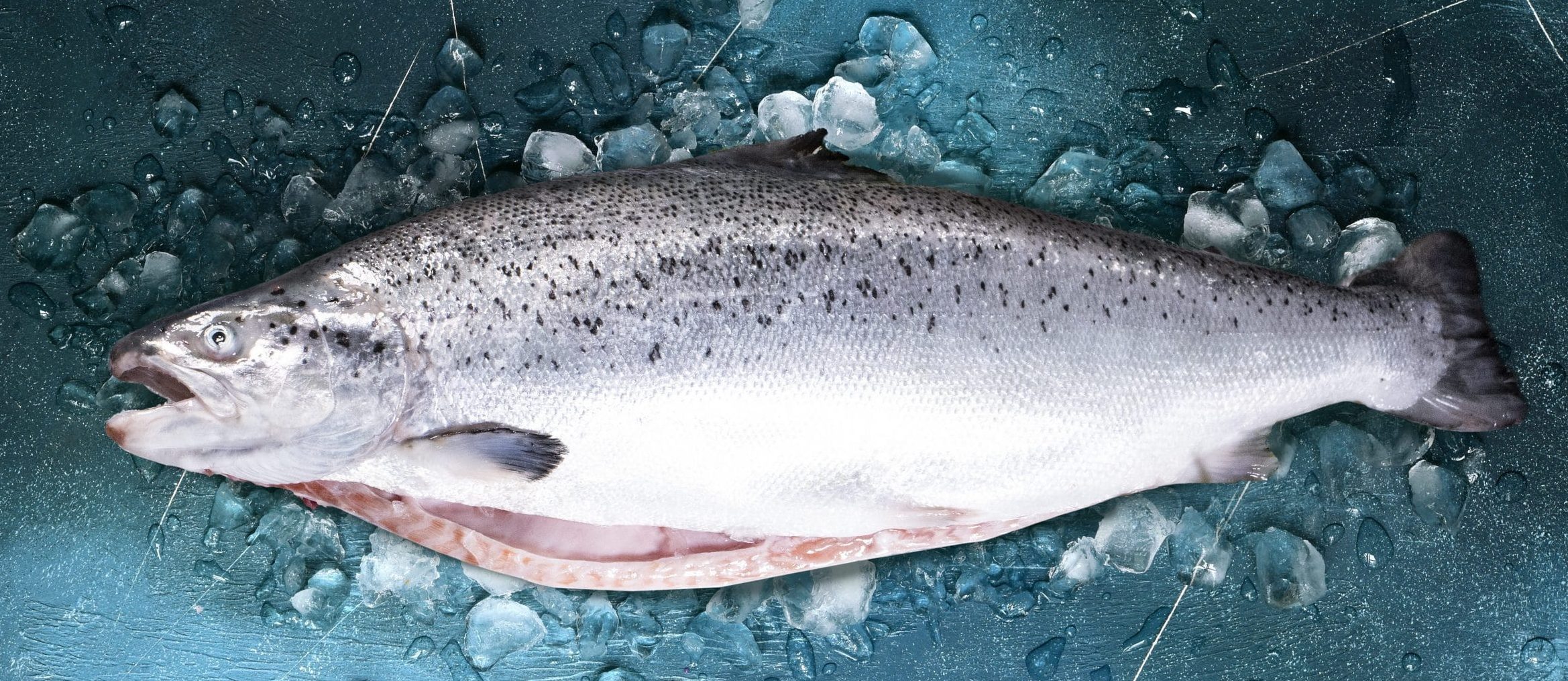
Salmon fillets for foodservice and distribution
Fresh and frozen salmon fillets for foodservice, wholesale and distribution, processed in Urk, the Netherlands. B2B supply only, from 500 kg.
We process salmon fillets and portions for restaurants, caterers, wholesalers, importers and distributors. To prepare a quotation we need the product and cut, skin option, fresh or frozen, packaging, volume (from 500 kg), destination and preferred delivery date. Availability and delivery depend on the product and destination.
How we work with foodservice buyers
Our Advantages
B2B Partnership
A dedicated contact person and direct communication about specifications, volumes and delivery.
In-house processing
Filleting, portioning and packing take place in our own facility in Urk.
Consistent quality
Quality and food safety checks during processing, working to HACCP.
Available salmon fillet options
Our salmon fillets are Atlantic salmon (Salmo salar). Besides fillets, we process salmon loins, steaks, cubes and other cuts. The table shows the options you can specify.
| Option | What you can specify |
|---|---|
| Product | Whole fillets, portions, loins, steaks or cubes |
| Skin | Skin-on or skinless |
| Trim | Trim B, C, D, D+, E or F |
| State | Fresh or IQF frozen |
| Packaging | Bulk, individually vacuum-packed or retail packaging |
| Minimum order | 500 kg |
Want to compare cuts, trims and freezing in more detail? Compare salmon fillet specifications.
Packaging and order requirements
We pack salmon fillets in bulk, individually vacuum-packed or in retail packaging. See our packaging options. Fresh fillets are shipped chilled and frozen fillets are kept frozen throughout the cold chain.

Frozen salmon fillets are stored at −18°C or lower. Availability and delivery depend on the product and destination.
For a clear quotation, please include:
- Product, cut and skin option
- Fresh or frozen
- Packaging
- Volume (from 500 kg)
- Destination and preferred delivery date
Please also mention which product documentation or certification you need, so we can confirm whether it applies to your product.
Fresh and frozen supply
Many professional customers in the hospitality, foodservice, and retail sectors compare fresh salmon fillets with frozen salmon fillets based on quality, shelf life, logistics, and inventory management. Both product types offer specific advantages depending on their application in your kitchen, supply chain, or production process.
Fresh salmon fillets are known for their premium appearance, firm texture, and rich flavor. As a result, fresh salmon fillets are popular among restaurants, hotels, sushi concepts, and foodservice companies that serve fresh seafood.
Frozen salmon fillets are IQF frozen after processing. For foodservice companies, caterers, wholesalers, and international distributors, frozen salmon fillets offer significant advantages such as a longer shelf life, stable inventory availability, less waste, and more efficient logistics.
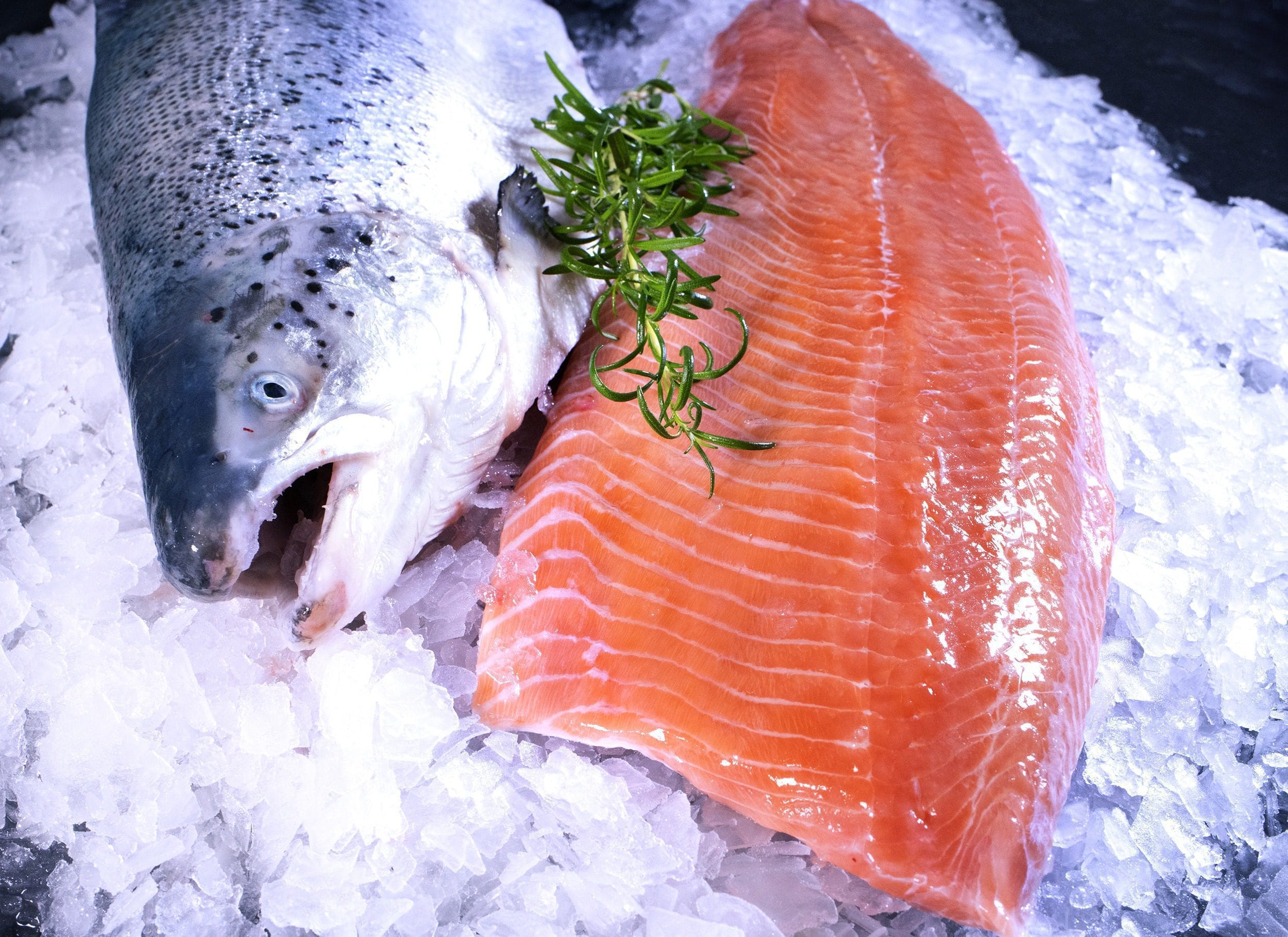
We help you choose between fresh and frozen based on inventory turnover, storage capacity, menus, destination and product specification.
Many professional buyers include both types of products in their product range:
- Fresh salmon fillets for foodservice and premium dishes
- frozen salmon fillets for bulk production, international distribution, and efficient inventory management
Request a foodservice quotation: send us your product, volume, packaging, destination and preferred delivery date via WhatsApp.
Frequently Asked Questions
Salmon fillets are available in various forms and specifications, depending on the application and market demand. Common varieties include fillets with skin, skinless fillets, tail pieces, center cuts, portions, and custom-made products. For retail, the hospitality industry, and foodservice, fixed weights and uniform cuts are often used to ensure consistency in presentation and preparation.
Salmon fillets are available both fresh and frozen. Fresh salmon is processed under refrigerated conditions and distributed quickly to ensure maximum freshness. Frozen salmon is frozen immediately after processing, which optimally preserves its texture, flavor, and nutritional value. This offers additional flexibility for storage, inventory management, and international distribution.
Salmon fillets can be packaged in various packaging options, depending on the customer’s preferences. Options include vacuum packaging, bulk packaging, skin packs, consumer packaging, and private-label solutions. In the retail sector, the focus is often on presentation and shelf life, while foodservice and wholesale often opt for efficient bulk packaging and logistics optimization.
Consistent quality begins with a controlled supply of raw materials and continues throughout the entire processing chain. Factors such as temperature control, hygiene, rapid processing, and precise quality inspections play a key role in this. Thanks to fixed product specifications, controlled cold chains, and modern processing techniques, the quality of the salmon fillet remains consistent in terms of taste, texture, and appearance.
Yes, customization is an important part of the services offered in the salmon industry. Products can be tailored to specific requirements such as portion size, trim level, packaging type, labeling, and product specifications. This allows retailers, wholesalers, and foodservice companies to operate more efficiently and better meet the needs of their customers and end users.
Salmon fillets are stored and transported under strictly controlled temperatures to ensure food safety and product quality. Fresh products remain continuously refrigerated during transport, while frozen products are handled using specialized cold storage and temperature-controlled transport. A stable cold chain is essential for maintaining freshness, shelf life, and product consistency.
Certifications play an important role in the international salmon industry and provide assurance in the areas of food safety, quality, and sustainability. Highly sought-after certifications include ASC, MSC, IFS, and organic certifications. These standards help buyers in retail, hospitality, and foodservice meet increasingly stringent consumer and regulatory requirements.