


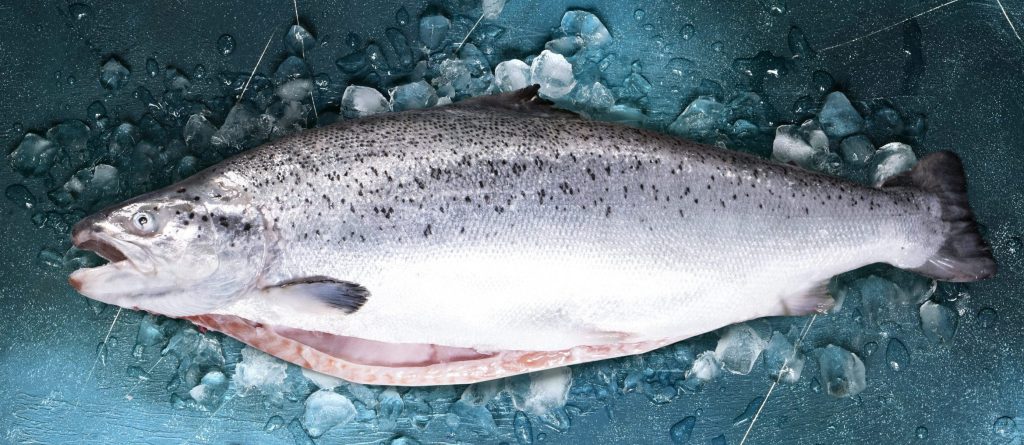
Organic Salmon For Professional Fish Suppliers
Organic salmon has become increasingly popular in recent years, and for good reason. It is often presented as a healthier and more environmentally friendly alternative to traditional farm-raised salmon. But what exactly does organic salmon entail? In this blog, we will discuss the main aspects of organic salmon, from the farming methods and benefits to the differences from other types of salmon. Here you will find all the information you need to make an informed decision about your salmon purchases.
Organic salmon are farmed according to specific standards established by organic farming. This means that the fish are kept in a way that is closer to their natural living conditions. No chemical pesticides, hormones or antibiotics are used in the farming of organic salmon. There is also strict control over their diet, which must be entirely organic.
Organic salmon farming methods explained
When breeding organic salmon, great attention is paid to the living conditions of the fish. The salmon have more space than in conventional breeding methods. This ensures that the fish experience less stress, which in turn improves the quality of the salmon. Organic salmon are often raised in the open sea or in special organic ponds. This allows them to exhibit natural behavior, which promotes their well-being. It is important to mention that organic salmon are raised under strict conditions to ensure that they are free of chemicals and other harmful substances.
The rules for organic salmon farming are laid down in European directives. This includes requirements for the amount of space per fish, the quality of the feed, and how the fish should be treated. The goal is to grow salmon in the most natural way possible, which is not only better for the fish themselves, but also for the consumer. Strict controls are also implemented to ensure that organic standards are met.
Health and environmental benefits of organic salmon
Organic salmon offers several advantages over regular farmed salmon. First, it is free of antibiotics and hormones, which in an increasingly healthy world is an important issue for many consumers. It has been proven that overuse of antibiotics in fisheries can lead to resistant bacteria, which pose a risk not only to the fish but also to human health. By choosing organic salmon, you are avoiding these risks and choosing a healthier alternative.
In addition, organic salmon are farmed with respect for the environment. The organic methods ensure that the ecosystem around the fish farms is less affected. This is because less waste products are released and no harmful chemicals are released into the environment. The feeds for organic salmon are also mostly sustainable and sourced from responsibly caught fish. All this makes organic salmon a more environmentally friendly choice than regular salmon.
Another advantage of organic salmon is that it usually has higher nutritional value. It often contains higher levels of omega-3 fatty acids, which are essential for a healthy diet. Omega-3 fatty acids are known for their positive effects on the heart and brain. Eating salmon regularly can contribute to overall health, especially for those following a diet rich in healthy fats.
The differences between organic, farmed and wild salmon
When we talk about salmon in stores, we often see three major categories: wild salmon, farmed salmon and organic salmon. It is important to distinguish these varieties, as they all have different levels of quality and environmental impact. Wild salmon is caught in its natural habitat and therefore has a different nutritional value and taste compared to farmed varieties. It is also much more likely to be free of chemicals and additives often used in farm-raised salmon.
Breeding salmon, on the other hand, are primarily raised in cages that are often overcrowded with fish. This can lead to stress and disease among the fish, so antibiotics and hormones are often used to keep the fish healthy. This poses health risks to consumers and can have negative effects on the environment.
Organic salmon offers a middle ground. It is farmed with respect for the welfare of the fish and without harmful chemicals. Although it is still farmed in a controlled environment, the conditions are much better than conventional farmed salmon. It is important to choose organic salmon because it is healthy for both consumers and the environment.
Organic salmon in the kitchen: recipes and preparation methods
Organic salmon can be prepared in numerous ways and enjoys wide popularity for its delicious taste and versatility. From smoking to grilling and baking, there are endless ways to enjoy this salmon. For example, a popular dish is grilled salmon with lemon and herbs. This dish is easy to make and can be served with a fresh salad or vegetables. Organic salmon comes into its own when prepared simply to let its natural flavors shine through.
In addition, organic salmon can also be eaten cold, such as in a salad or on bruschetta. Using organic ingredients in side dishes can make the meal even healthier. Consider organic vegetables, seeds and nuts, which together form a delicious combination with the salmon. This makes it not only nutritious but also a feast for the eyes.
Almost every chef will agree that the taste of organic salmon is unmatched. It is full, rich and has a buttery texture unmatched by regular farm-raised salmon. This makes it the perfect choice for special occasions and parties. Organic salmon teaches us that choosing the right ingredients makes all the difference, not only to our health but also to our environment.
Conclusion: choosing organic salmon is choosing quality and sustainability
If you want to consciously choose healthy food and the environment, organic salmon is an excellent choice. Not only does it offer a healthier alternative to fresh and smoked salmon, but it also helps support more sustainable fishing practices. Organic salmon has all of these benefits without sacrificing taste or quality. By choosing organic, you are contributing to a better world and healthy lifestyle.
On your next shopping trip below, give organic salmon a look and experience the benefits of this choice for yourself. You will not only indulge your taste buds, but also take a conscious step toward a healthier lifestyle for yourself and a better world.
Frequently Asked Questions
What is the difference between organic salmon and regular salmon?
The difference between organic salmon and regular salmon lies mainly in the way they are farmed. Organic salmon are farmed according to strict rules that ensure they have a better life than the fish in regular farmed salmon. This means they have more space, are not given hormones or antibiotics and live on organic feed. Regular salmon, on the other hand, may be raised in overcrowded conditions where such rules are not strictly followed, which can lead to less healthy fish and seafood.
Is organic salmon healthy?
Yes, organic salmon is considered healthy. It is packed with omega-3 fatty acids, which are good for health and support the heart. Moreover, it is free of harmful chemicals and antibiotics, which are often used in the farming of regular salmon. These features make organic salmon a healthy choice for people looking for responsible and nutritious food options.
What is the best organic salmon?
The best organic salmon is usually the one that comes from healthy, controlled farming processes with environmentally friendly practices. Look for salmon certified by accreditation labels such as Organic and MSC. Local and sustainable sources are also often a good choice because they maintain better quality standards and help protect oceans and fish stocks.
Why stop eating salmon?
There are several reasons why people choose to stop eating salmon or fish. This may be due to concerns about sustainable fishing, transmission of food poisoning, or concerns about the presence of heavy metals in fish. Others choose to become vegetarian or vegan. It is important to be well informed about where the fish you eat comes from and the impact it has on the environment.
How do you recognize organic salmon in the supermarket?
Organic salmon in the supermarket can be recognized by the organic label on the packaging. This label guarantees that the salmon meets the organic standards set by the government. Also note the origin and other labels that indicate more sustainable fishing methods, such as MSC or ASC. This will ensure you are sure of the quality of the salmon you are buying.
How are organic salmon farmed?
Organic salmon are farmed in a controlled environment made to be as close as possible to the fish’s natural habitat. This means they have plenty of room to swim, are fed organic feed and are free of antibiotics and hormones. The breeding methods are designed to put the welfare of the fish first, resulting in healthier and more natural salmon.