


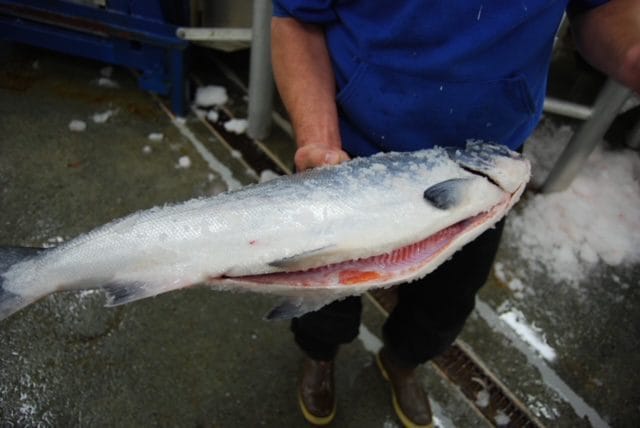
What makes wild salmon so special?
Wild salmon is often praised for its unique taste and nutritional value. It is a fish that lives in the wild and feeds on a varied diet of crustaceans and other natural sources. This diet gives the meat its characteristic color and flavor. In addition, wild salmon often has a firm texture and contains less fat than farmed salmon, making it a healthier choice. The different types of wild salmon, such as Sockeye and King salmon, also offer a range of flavors and culinary options. Buying wild salmon not only supports your health, but also sustainable fishing practices, as many wild salmon are now caught sustainably.
The health benefits of wild salmon
Wild salmon is known for its rich composition of omega-3 fatty acids, which are essential for good health. These fatty acids occur naturally in the skin and flesh of salmon and are crucial for brain and heart development. Regular consumption of wild salmon can lower the risk of cardiovascular disease, reduce inflammation and contribute to a healthier mood. Furthermore, wild salmon contains important vitamins and minerals, such as vitamin D, vitamin B12 and selenium, which play an important role in various body processes. The combination of these nutrients makes wild salmon an excellent addition to a balanced diet.
Wild salmon versus farmed salmon
One of the most common questions people have is what the difference is between wild salmon and farmed salmon. Farmed salmon are often raised in controlled environments, where they are fed an artificial diet that promotes their growth. This can result in different fat content and taste. Farmed salmon tend to be fattier and often come with a lighter color unless dyes are added to their diet. Wild salmon, on the other hand, have a deeper, redder flesh naturally, thanks to their diet. When choosing between these two species, it is important to consider durability and appeal, as wild salmon has a more pronounced and rich flavor that many cooks prefer.
Cooking with wild salmon: tips and recipes
Wild salmon is versatile and can be prepared in a variety of ways. From grilling and smoking to steaming and baking, the possibilities are endless. A popular preparation method is to grill wild salmon, enhancing its natural flavors. Marinades with lemon juice, herbs and olive oil can further enhance the flavor. Wild salmon can also pair well with seasonal vegetables and grains, making for a balanced and nutritious meal. For a simple recipe, oven-bake salmon with some dill, lemon and garlic for a delicious, fragrant meal. Also consider salads with smoked salmon for a fresh lunch option.
The future of wild salmon and sustainability
Sustainability is a crucial issue when it comes to fisheries and wild salmon conservation. Overfishing is a major problem that threatens wild salmon populations. Therefore, it is important to buy only salmon that comes from sustainable sources. Labels such as MSC (Marine Stewardship Council) can help identify sustainably caught salmon. By consciously choosing sustainable products, we contribute to the preservation of these beautiful fish species and their ecosystems. It is also important to be aware of the seasons, as different salmon species are available at different times of the year.
What is the difference between wild salmon and farmed salmon?
Look at the color: wild salmon usually have a deeper, redder pigment because of their natural diet of crustaceans. Farmed salmon often have a lighter, more pink color, unless dyes have been added to their diet.
Is wild salmon healthier?
Wild salmon generally contains more omega-3 fatty acids and less fat than farmed salmon, making it a healthier choice. The nutritional value of farmed salmon is similar to wild salmon, but living conditions and diet may differ.
Which is better, Norwegian or wild salmon?
Norwegian salmon often has a higher fat content, which can result in a different taste and texture. Wild salmon typically has a firmer texture and richer flavor. The choice between the two depends on personal preference and dietary needs.
Is wild salmon more expensive?
Disadvantages of wild salmon are price and availability. Wild salmon can be two to three times more expensive than farmed salmon. It is important to invest in quality and sustainability when buying salmon.
What is the best way to cook wild salmon?
Wild salmon is best grilled, baked or prepared smoky. Take the time to marinate the fish well for extra flavor. Combine with fresh herbs and lemon for a delicious meal.
Where can I buy sustainable wild salmon?
Look for stores, markets or wholesalers such as Neerlandia Urk that offer MSC-certified wild salmon. there are also several fish stores online that offer sustainable options.
What are the best flavors to pair with wild salmon?
Wild salmon goes well with lemon, dill, garlic, and even sweet flavors such as honey or maple syrup. Experiment with herbs and spices to discover different combinations.